



A chafing-rash is more than just a minor skin irritation. It is a painful reminder that friction, moisture, and heat can turn everyday movement into discomfort. Whether you are an athlete, a student walking long distances, someone living in a hot climate, or simply wearing tight clothing, chafing-rash can affect anyone.
In this detailed guide, we will explore everything about chafing rash — what it is, why it happens, how to treat it, and most importantly, how to prevent it.
What Is a Chafing Rash?
A chafing-rash is a skin irritation that occurs when repeated friction rubs the skin against clothing or other skin surfaces. The condition often worsens when sweat, heat, or tight clothing is involved.
Unlike infections such as Eczema or Psoriasis, a chafing-rash is not an autoimmune or chronic inflammatory condition. Instead, it is a mechanical injury caused by friction and moisture.
It commonly appears in areas such as:
- Inner thighs
- Underarms
- Groin
- Under breasts
- Buttocks
- Neck
- Feet
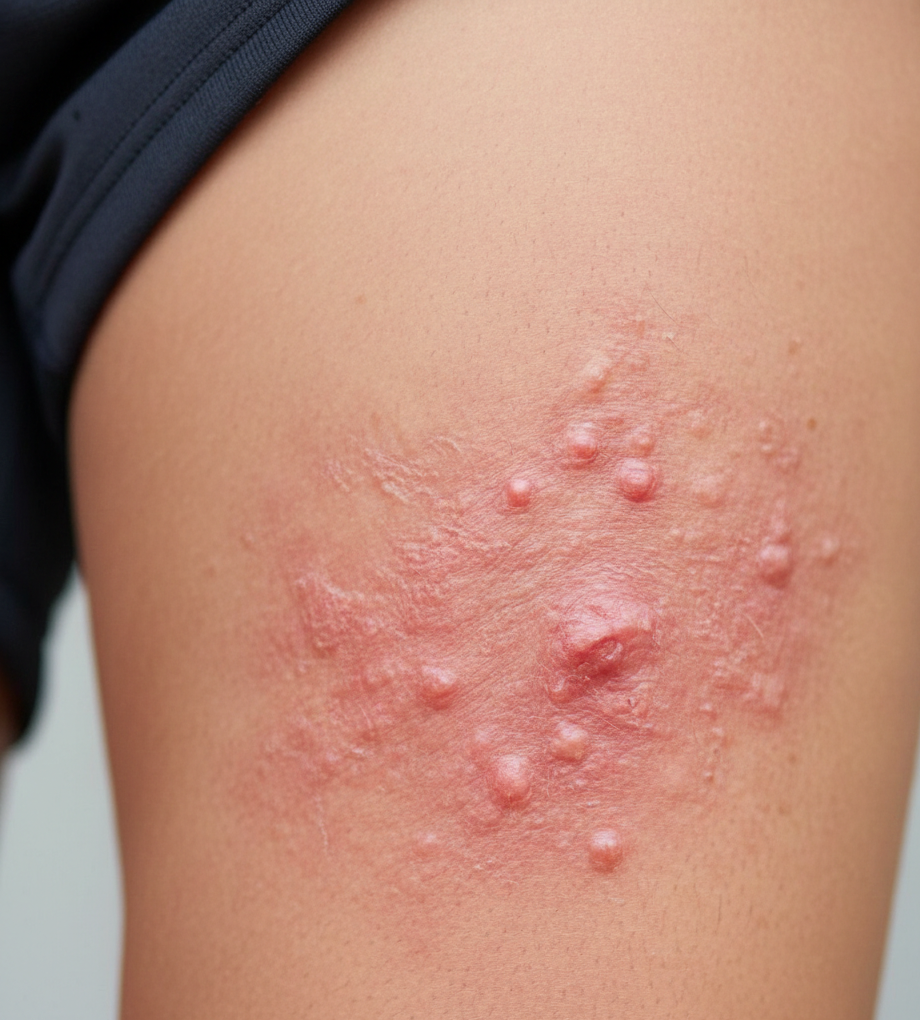
The rash may start as redness but can quickly progress to burning pain, peeling, or even cracked skin if left untreated.
Common Causes of Chafing Rash
Understanding the causes of a chafing-rash helps in preventing it effectively.
1. Friction Between Skin Surfaces
When two skin areas repeatedly rub against each other — such as thighs while walking — friction breaks down the top protective layer of skin.
2. Tight or Rough Clothing
Clothing that is too tight, poorly fitted, or made from rough materials increases friction. Synthetic fabrics that trap moisture worsen the situation.
3. Excessive Sweating
Sweat softens the skin and makes it more vulnerable to damage. Hot climates or intense workouts increase the risk.
4. Long-Distance Activities
Athletes, runners, and cyclists are particularly prone. During events like the Boston Marathon, runners often experience chafing due to prolonged movement and sweat exposure.
5. Humid Weather Conditions
High humidity prevents sweat from evaporating quickly, keeping skin moist and fragile.
6. Being Overweight
Extra skin folds increase areas where skin rubs together.
Symptoms of Chafing Rash
A chafing-rash usually develops gradually. The early signs are mild, but ignoring them can lead to more severe irritation.
Early Symptoms:
- Redness
- Mild irritation
- Warm feeling on the skin
- Slight tenderness
Moderate Symptoms:
- Burning sensation
- Stinging pain
- Dry or flaky skin
- Swelling
Severe Symptoms:
- Cracked skin
- Bleeding
- Blisters
- Oozing
If infection develops, symptoms may resemble conditions like Intertrigo, which occurs in moist skin folds and may involve bacteria or fungi.
Chafing Rash vs Other Skin Conditions
Sometimes people confuse chafing rash with other skin problems.
| Condition | Cause | Key Difference |
|---|---|---|
| Chafing Rash | Friction + moisture | Occurs in areas of rubbing |
| Eczema | Immune-related | Chronic and often itchy |
| Fungal Infection | Fungi growth | May have distinct border and odor |
| Heat Rash | Blocked sweat glands | Small red bumps |
A chafing-rash is usually symmetrical and directly linked to friction areas.
How to Treat a Chafing Rash
Treating a chafing-rash early prevents complications.
1. Clean the Area Gently
Use lukewarm water and mild soap. Pat dry — do not rub.
2. Keep the Skin Dry
Moisture prolongs healing time. Use soft towels and allow air circulation.
3. Apply Soothing Products
- Petroleum jelly
- Zinc oxide creams
- Aloe vera gel
- Anti-chafing balms
4. Use Barrier Creams
Barrier creams protect the skin from further friction.
5. Avoid Further Irritation
Wear loose cotton clothing and avoid activities that worsen rubbing.
6. Medical Treatment
If infection develops, a doctor may prescribe topical antibiotics or antifungal creams.
Home Remedies for Chafing Rash
Many natural remedies can relieve mild cases:
- Coconut oil (natural moisturizer)
- Aloe vera (soothes inflammation)
- Cold compress (reduces burning sensation)
- Cornstarch (absorbs moisture)
However, avoid applying powder on broken skin.
How Long Does a Chafing Rash Take to Heal?
- Mild cases: 1–3 days
- Moderate cases: 3–7 days
- Severe cases: Up to 2 weeks
Healing time depends on how quickly friction and moisture are controlled.
How to Prevent Chafing Rash
Prevention is always better than treatment.
1. Wear Moisture-Wicking Fabrics
Choose breathable athletic materials.
2. Apply Anti-Chafing Products Before Activity
Petroleum jelly or anti-friction balms reduce rubbing.
3. Stay Dry
Change sweaty clothes quickly.
4. Maintain Healthy Body Weight
Reducing skin folds lowers friction areas.
5. Choose Properly Fitted Clothing
Avoid seams that rub sensitive skin.
6. Use Powder in High-Risk Areas
Talc-free powders help absorb sweat.
Chafing Rash in Athletes
Athletes frequently experience chafing-rash due to:
- Long training sessions
- Sweat buildup
- Repetitive motion
Cyclists often get chafing in the inner thighs, while runners experience nipple or underarm chafing.
Professional athletes take preventive measures during events such as the Olympic Games to avoid skin damage that could affect performance.
Chafing Rash in Babies and Children
In babies, chafing often appears as diaper rash. It occurs due to:
- Wet diapers
- Friction from diaper edges
- Sensitive skin
Regular diaper changes and protective creams help prevent irritation.
Chafing Rash in Women
Women may experience chafing under breasts or between thighs, especially in hot climates. Wearing properly fitted bras and breathable fabrics significantly reduces risk.
Chafing Rash in Men
Men frequently experience chafing in the groin area due to:
- Sweating
- Tight underwear
- Sports activities
Using moisture-absorbing powders and supportive athletic wear can help.
When to See a Doctor for Chafing Rash
Seek medical attention if:
- The rash does not improve after a week
- There is pus or unusual discharge
- Fever develops
- Pain becomes severe
Persistent symptoms could indicate infection rather than simple chafing.
Psychological Impact of Chafing Rash
Though often dismissed as minor, a chafing rash can affect:
- Confidence
- Athletic performance
- Comfort during social events
Painful skin can limit movement and daily activity.
Myths About Chafing Rash
Myth 1: Only Overweight People Get Chafing
False. Athletes and slim individuals can also develop it.
Myth 2: Powder Alone Prevents Chafing
Not always. Proper clothing and moisture control are essential.
Myth 3: It Will Heal on Its Own
Mild cases might, but ignoring it can worsen the condition.
Best Fabrics to Prevent Chafing Rash
- Cotton (breathable)
- Moisture-wicking sports fabric
- Seamless clothing
Avoid rough synthetic materials that trap sweat.
Diet and Hydration Role in Chafing Rash
Proper hydration reduces salt concentration in sweat, which can irritate skin further. A balanced diet supports healthy skin repair.
Frequently Asked Questions About Chafing Rash
Is chafing rash contagious?
No. It is caused by friction, not infection.
Can chafing turn into infection?
Yes, if skin breaks and bacteria enter.
Can I exercise with a chafing rash?
It is best to allow healing first.
Is chafing rash serious?
Usually not, but severe cases require treatment.
Final Thoughts on Chafing Rash
A chafing rash may begin as a small irritation, but if ignored, it can escalate into painful skin damage. Understanding the causes, recognizing early symptoms, and taking preventive steps are the keys to staying comfortable and confident.
Your skin protects you every day. Protect it in return.
READ MORE: TECHBIZZ.CO.UK
