



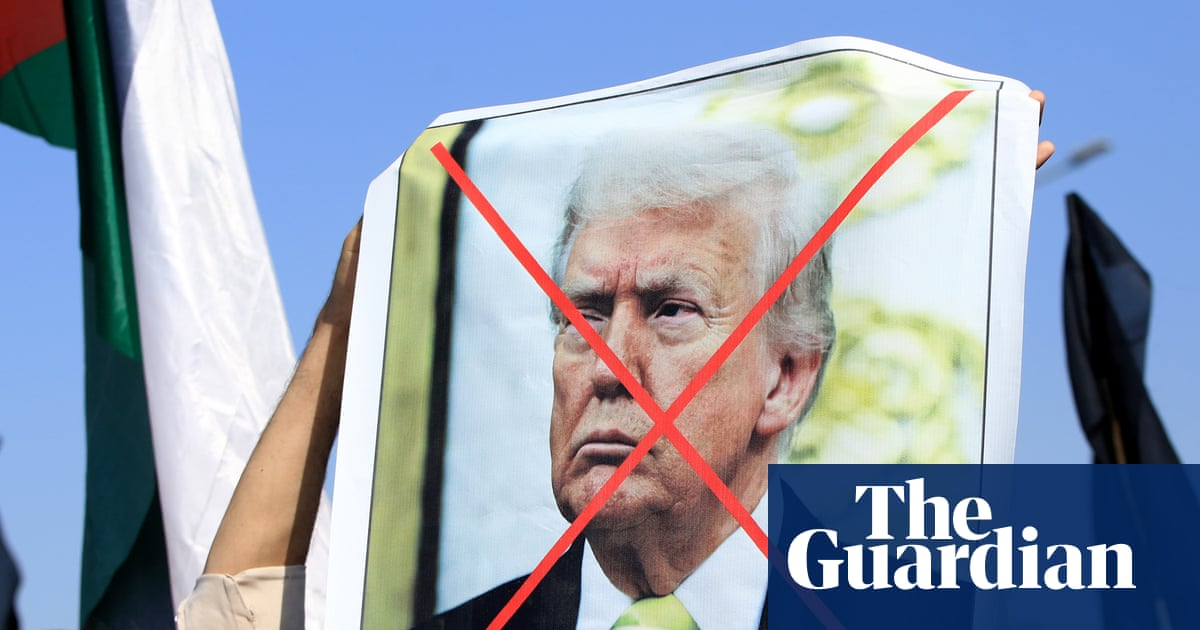
Why “Israel Iran News” Matters
The phrase “Israel Iran news” refers to all current events, developments, and ongoing updates arising from the rising tensions — and at times open conflict — between the State of Israel and the Islamic Republic of Iran. Although the two nations have long been adversaries, recent years have seen a dramatic escalation that has drawn in major world powers, changed regional alliances, affected global security dynamics, and triggered widespread debate in international news.
Today, tangible military confrontation involves airstrikes, missiles, cyber warfare, diplomatic reactions, and real human costs — for civilians and soldiers alike.
1. Background: A Long History of Rivalry
The conflict between Israel and Iran didn’t begin overnight — it is rooted in decades of geopolitical tension, ideological rivalry, and regional power struggles.
- Pre-1979: Before the Iranian Revolution, Israel and Iran maintained relatively normal diplomatic and trade relations. Both aligned with the United States during the Cold War era.
- 1979 Iranian Revolution: Iran’s overthrow of the Shah and establishment of the Islamic Republic changed everything. The regime adopted a strongly anti-Israeli posture, refusing to recognize Israel’s legitimacy and supporting groups opposed to Israeli influence.
- Over the last four decades, Iran has continued to develop its military capabilities, support proxy groups like Hezbollah and militia networks in Syria and Iraq, and pursue nuclear advancements that Israel views as existential threats.
Experts say this rivalry — rooted in political ideology, regional power ambitions, and mutual distrust — laid the groundwork for today’s ongoing headlines.
2. From Proxy Wars to Direct Confrontation
Historically, most conflict between Israel and Iran occurred indirectly:
- Iran funded allied militias (Hezbollah in Lebanon, militias in Syria, and other groups) to fight against Israeli influence.
- Israel, concerned about Iran’s growing influence and support for armed groups, conducted targeted strikes and covert operations against Iranian forces in Syria and Iraq.
- Cyberwarfare and intelligence operations increased over time, contributing to a shadow front long before full military engagement.
➡️ The situation transformed when direct strikes began — first limited, then broad.
3. The 2025 Escalation and the Twelve-Day War
In June 2025, escalating tensions erupted into open conflict often referred to in news reports as part of the Iran-Israel confrontation.
June 2025 Major Events:
- Israel launched a large-scale airstrike campaign on Iran, israel iran news targeting nuclear facilities like Natanz, Fordow, and Isfahan as well as military sites, citing national security concerns over Iran’s nuclear program.
- In response, Iran fired ballistic missiles at Israeli cities including Tel Aviv, Haifa, and others. Some missiles penetrated Israel’s Iron Dome defense system and caused damage and casualties.
- A brief 12-day war ensued that sparked global headlines and diplomatic moves to halt the fighting. A ceasefire took effect on 24 June 2025, mediated by the United States and Qatar.
This phase marked one of the first times in modern history that Iran and Israel engaged in substantial direct military exchange, moving beyond proxy battlefield actions.
4. Renewed Conflict in 2026: New Frontlines
In early March 2026, reports confirmed a renewed and intense era of fighting between Israel and Iran:


As Mideast conflict widens, US says attacks on Iran will last weeks and intensify
‘Imperialist undertones’: global south condemns US-Israeli war with Iran

Netanyahu says war against Iran may take ‘some time’, but not years
Key Developments in March 2026:
- The United States and Israel conducted major airstrikes against Iran’s nuclear and military infrastructure. These strikes were declared as efforts not only to degrade Iran’s nuclear ambitions but also to limit Tehran’s command capabilities.
- Iranian retaliation included missile and drone attacks against Israeli territory, U.S. bases, Gulf states, and even diplomatic missions.
- Israeli Prime Minister Benjamin Netanyahu stated the conflict may take longer than initially expected but must not become a years-long war.
- International reaction has been sharply divided, with many nations in the Global South condemning the U.S.-Israeli military campaign as violating international law and destabilizing the region.
These events dominate current news coverage due to their scale and the number of parties involved.
5. Human and Regional Impact
The evolving conflict has had real human consequences:
- Reports indicate hundreds killed in israel iran news, including civilians and military personnel, due to sustained bombardments.
- Retaliatory attacks have also led to casualties and damage in Israel and neighboring regions.
- The conflict has spread across borders israel iran news — with parts of Lebanon (Hezbollah), the Gulf region, and Arab states experiencing direct or proxy involvement.
Beyond immediate casualties, the conflict is influencing energy markets, migration patterns, global diplomacy, and military alliances — especially those involving the United States, Saudi Arabia, Russia, and China.
6. Strategic and Military Dimensions
The military confrontation involves:
Air and Missile Warfare
Israel’s Air Force has conducted sustained strikes on Iranian territory, while Iran has relied on ballistic missiles and drones to respond. This two-way exchange marks a departure from the limited engagements of the past.
Cyber Warfare
Information from recent accounts suggests cyber operations are happening in parallel, with attacks on digital infrastructure on both sides, israel iran news showing that the conflict is also a digital battleground.
Intelligence Operations
Past events include Iranian intelligence gathering against Israeli targets and covert operations — israel iran news highlighting that espionage and data warfare are deeper components of this conflict.
7. Global Diplomatic Dynamics
World powers and international bodies have reacted differently:
- United States: Supports Israel’s strategic goals, and U.S. israel iran news forces have been directly involved in air campaigns.
- Russia & China: Have criticized Western military action and called for diplomatic resolution.
- European nations: Urge restraint and negotiation.
- Global South nations and the UN: israel iran news Many condemn offensive military action and emphasize compliance with international law.
These divisions underscore the complexity of global politics influencing Israel-Iran relations.
8. Implications for Nuclear Politics
The nuclear dimension is central:
- Iran’s nuclear program — including past enrichment efforts — israel iran news has been one of the key triggers of the conflict.
- Israel and its allies view an Iranian nuclear capability as a major security threat.
- Diplomatic frameworks like the Joint Comprehensive Plan of Action (JCPOA) have influenced many international discussions on related sanctions and negotiations.
9. What Comes Next? Possible Futures
Several scenarios scholars and policymakers consider include:
1. Continued Conflict
The war could continue at varied intensity, israel iran news possibly drawing in additional regional actors, leading to further instability.
2. Diplomatic Settlement
Pressure from global institutions might lead to negotiations that curb hostilities and reopen diplomatic channels.
3. Proxy Expansion
Even without direct full-scale war, Iran might increase support for allied militias while Israel strengthens regional partnerships.
10. Conclusion: Why This Matters for World News
The story of Israel Iran news reflects:
- A complex long-term rivalry
- Evolving military technology and strategy
- Major geopolitical implications
- Human costs, regional instability, and global strategy
This is not just a Middle East story — it is a global security narrative with real consequences for international law, world diplomacy, and millions of ordinary lives.
READ MORE: TECHBIZZ.CO.UK
