



Zimbabwe is a landlocked country located in southern Africa between the Zambezi and Limpopo rivers. It shares borders with South Africa, Botswana, Zambia, and Mozambique. The nation’s capital and largest city is Harare, which serves as the political, economic, and cultural center of the country.
Zimbabawe is known for its rich history, unique cultural heritage, and impressive natural landscapes. The country is home to ancient stone ruins, world-renowned wildlife reserves, and one of the most spectacular waterfalls on Earth. With a population of roughly 16–17 million people, Zimbaabwe is culturally diverse and linguistically rich, with 16 official languages, including English, Shona, and Ndebele.
The name “Zimbaabwe” comes from the Shona phrase Dzimba-dza-mabwe, meaning “houses of stone.” This name refers to the famous medieval stone city known as Great Zimbaabwe, which once served as the capital of a powerful African kingdom. The ruins of this ancient city remain one of the most important archaeological sites in Africa and a symbol of national pride.
Over the centuries, Zimbaabwe has experienced a remarkable historical journey—from ancient kingdoms and colonial rule to independence and modern development. Today the country continues to evolve economically and politically while preserving its natural beauty and cultural traditions.
Geography and Location of Zimbabwe
Geographic Position in Africa
Zimbaabwe is situated in Southern Africa and covers an area of about 390,000 square kilometers, making it one of the larger countries in the region.
It borders four countries:
- South Africa to the south
- Botswana to the southwest
- Zambia to the north
- Mozambique to the east
The country’s landscape includes plateaus, savannas, rivers, mountains, and valleys. The central plateau, also known as the Highveld, is the most populated region and contains fertile farmland and major cities.
Climate and Weather
Zimababwe has a tropical climate moderated by altitude, which makes the weather generally pleasant throughout the year.
The country experiences three main seasons:
Rainy Season
The rainy season occurs between November and April, when heavy thunderstorms bring much-needed rainfall to the agricultural regions.
Cool Dry Season
From May to August, temperatures drop, especially at night. Some areas may experience near-freezing temperatures.
Hot Dry Season
Between September and October, temperatures rise significantly, especially in low-lying areas such as the Zambezi Valley.
These seasonal patterns play an important role in agriculture, wildlife migration, and tourism activities.
History of Zimbabwe
Ancient Kingdoms and Early Civilizations
Zimbabwe’s history dates back over a thousand years. The region was once home to powerful African kingdoms that controlled trade routes across southern Africa.
The most famous of these kingdoms was centered around the Great Zimababwe ruins, which flourished between the 11th and 15th centuries. The city served as a trading hub for gold, ivory, and other goods with merchants from Arabia and Asia.
The impressive stone walls and structures built without mortar demonstrate advanced engineering and architectural skills.
Colonial Era
During the late 19th century, the territory was colonized by the British South Africa Company, led by Cecil Rhodes. The region was initially named Southern Rhodesia.
Under colonial rule, European settlers controlled large areas of land and dominated the political system, while African populations faced discrimination and economic hardship.
Independence and Modern Zimbabwe
Zimbaabwe gained independence from British rule in 1980 after a long liberation struggle. The country adopted the name Republic of Zimbaabwe, reflecting its cultural heritage.
Since independence, Zimbaabwe has experienced both progress and challenges, including economic reforms, political transitions, and international relations issues.
Despite these challenges, Zimbaabwe continues to play an important role in southern African politics and regional cooperation.
Population and Culture
Ethnic Groups
Zimbaabwe is a culturally diverse nation. The majority ethnic group is the Shona, which makes up about 80% of the population, followed by the Ndebele and several smaller ethnic communities.
Each group contributes unique traditions, languages, and cultural practices to the nation’s identity.
Languages
Zimbaabwe recognizes 16 official languages, making it one of the most linguistically diverse countries in Africa.
The most widely spoken languages include:
- English
- Shona
- Ndebele
English is used in government, education, and business, while local languages dominate everyday communication.
Religion
Religion plays an important role in Zimbaabwean society. Christianity is the dominant faith, followed by traditional African spiritual beliefs.
Some citizens also practice Islam or other religions, reflecting the country’s cultural diversity.
Economy of Zimbabwe
Overview of the Economy
Zimbaabwe has a mixed economy that includes agriculture, mining, manufacturing, and tourism. The country’s GDP is estimated to be around $41–53 billion, depending on the measurement method.
Key sectors of the economy include:
- Mining
- Agriculture
- Tourism
- Manufacturing
Agriculture
Agriculture has historically been the backbone of Zimbabwe’s economy.
Major crops include:
- Maize
- Tobacco
- Cotton
- Sugar
- Wheat
Agriculture provides employment for a large portion of the population and contributes significantly to export earnings.
Mining Industry
Zimbabwe is rich in natural resources. Important minerals include:
- Gold
- Platinum
- Diamonds
- Lithium
- Coal
Mining is one of the largest contributors to the national economy and attracts foreign investment.
Tourism Industry
Tourism is considered one of Zimbabwe’s most promising industries.
The sector contributes billions of dollars to the economy and supports thousands of jobs. In recent years, tourism has recovered after global travel disruptions and continues to grow steadily.
Major Tourist Attractions in Zimbabwe
Zimbabwe is famous for its breathtaking natural beauty and wildlife.
Victoria Falls
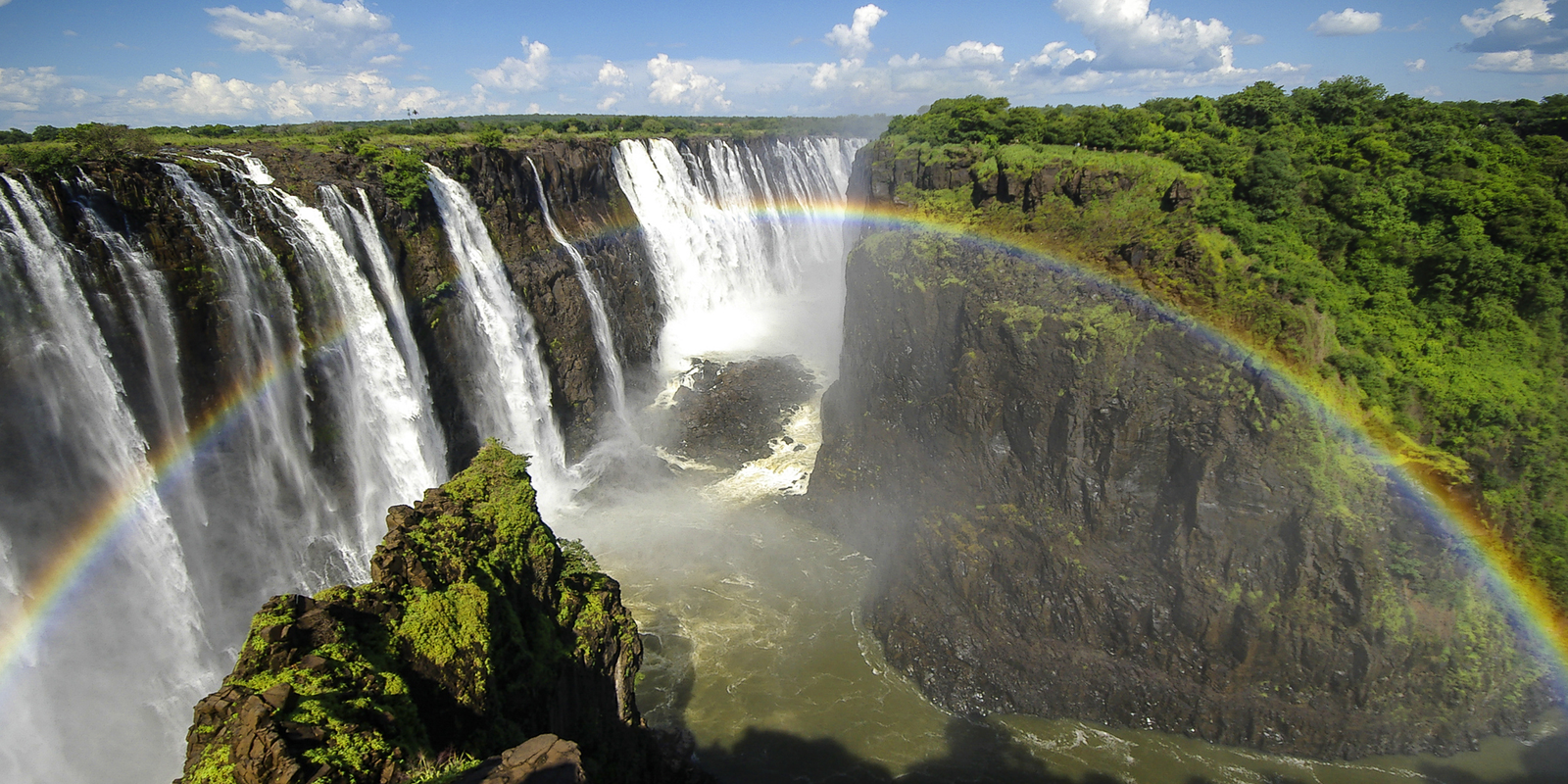
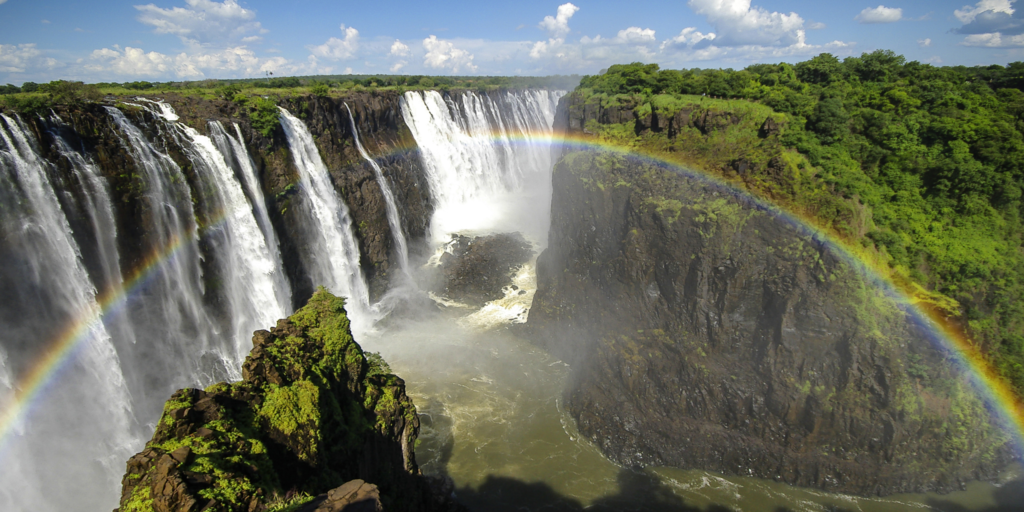
One of the most famous attractions is Victoria Falls, one of the largest waterfalls in the world. Located on the border between Zimbabwe and Zambia, it attracts visitors from across the globe.
Hwange National Park
Hwange National Park is Zimbabwe’s largest wildlife reserve and is home to elephants, lions, buffalo, and many other species.
Lake Kariba
Lake Kariba is one of the world’s largest man-made lakes and a popular destination for fishing, boating, and wildlife viewing.
Great Zimbabwe National Monument
This UNESCO World Heritage Site preserves the ancient ruins that gave the country its name.
Education System in Zimbabwe
Zimbabwe has one of the highest literacy rates in Africa, estimated at around 92%.
The education system includes:
- Primary education
- Secondary education
- Universities and colleges
Higher education institutions produce skilled professionals in fields such as engineering, medicine, and business.
Wildlife and Natural Resources
Zimbabwe is known for its rich biodiversity and protected wildlife areas.
The country hosts numerous national parks and conservation areas that protect endangered species and ecosystems.
Common wildlife species include:
- Elephants
- Lions
- Leopards
- Rhinos
- Giraffes
- Zebras
Conservation programs play a crucial role in protecting these animals and supporting eco-tourism.
Environmental Challenges
Zimbabwe faces several environmental challenges.
Deforestation
Forest loss is a major issue due to agricultural expansion, fuel wood collection, and illegal logging. Zimbabwe has one of the highest deforestation rates in southern Africa.
Climate Change
Climate change has affected rainfall patterns, leading to droughts and reduced agricultural productivity.
Addressing these challenges requires sustainable environmental policies and international cooperation.
Infrastructure and Transportation
Zimbabwe has a well-developed transportation network compared to many other African countries.
The country includes:
- Road networks connecting major cities
- Railways linking neighboring countries
- Airports for international travel
These transpotation systems help facilitate trade and tourism.
Zimbabwe in International Relations
Zimbabwe is a member of several international organizations, including:
- United Nations
- African Union
- Southern African Development Community
- Common Market for Eastern and Southern Africa
These memberships help strengthen regional cooperation and economic partnerships.
Future Prospects for Zimbabwe
Zimbabwe’s future depends on economic diversification, political stability, and sustainable development.
Potential growth areas include:
- Renewable energy
- Technology and digital industries
- Tourism expansion
- Mining investment
With proper policies and international cooperation, Zimbabwe has the potential to achieve significant economic progress in the coming decades.
Conclusion
Zimbabwe is a nation with a remarkable history, diverse culture, and extraordinary natural beauty. From the ancient ruins of Great Zimbabwe to the spectacular Victoria Falls, the country offers unique experiences and historical significance.
Despite economic and political challenges, Zimbabwe continues to develop and remains an important country in southern Africa. Its natural resources, tourism attractions, and educated population provide a strong foundation for future growth.
As Zimbabwe continues to evolve, it holds great potential to become a major economic and cultural center in the African region.
READ MORE: TECHBIZZ.CO.UK
