



Tap dancing is not just a performance art — it is percussion in motion, poetry in footwork, and rhythm wrapped in rebellion. From smoky vaudeville stages to Broadway’s blazing lights, from Hollywood’s golden era to modern hip-hop fusions, famous tap dancers have transformed simple steps into timeless statements. Their shoes didn’t just strike the floor; they struck history. Their heels didn’t merely echo sound; they echoed struggle, creativity, and cultural evolution.
In this comprehensive article, we will explore the lives, legacies, and lasting influence of the most famous tap dancers in history — artists who shaped entertainment, challenged racial barriers, redefined choreography, and inspired generations to follow the beat.
The Origins Behind Famous Tap Dancers
Before diving into individual legends, it is important to understand where tap dancing began. Tap is rooted in a blend of African rhythms and Irish step dancing traditions. Enslaved Africans in America used percussive footwork when drums were banned, preserving rhythm through movement. Irish immigrants contributed intricate step patterns. Over time, these influences merged into what became American tap dance.
Minstrel shows, vaudeville circuits, and Broadway stages helped popularize the form. Eventually, Hollywood musicals brought tap dancing to global audiences. From these cultural crossroads emerged the famous tap dancers who would forever define the art.
Bill Robinson: The Pioneer Among Famous Tap Dancers
When discussing famous tap dancers, the name Bill “Bojangles” Robinson shines brightest.
Born in 1878, Robinson revolutionized tap dance by introducing upright posture and light, clear footwork. Before him, many dancers performed flat-footed. Robinson elevated tap to elegance.
Why Bill Robinson Is Among the Most Famous Tap Dancers
- First Black solo performer to headline in white vaudeville circuits
- Broke racial barriers in Hollywood
- Famous for dancing with Shirley Temple in films
His staircase routine became legendary — a rhythmic ritual repeated across stages and screens. Robinson’s artistry symbolized grace during segregation, making him not only one of the most famous tap dancers but also one of the most culturally significant performers of the 20th century.
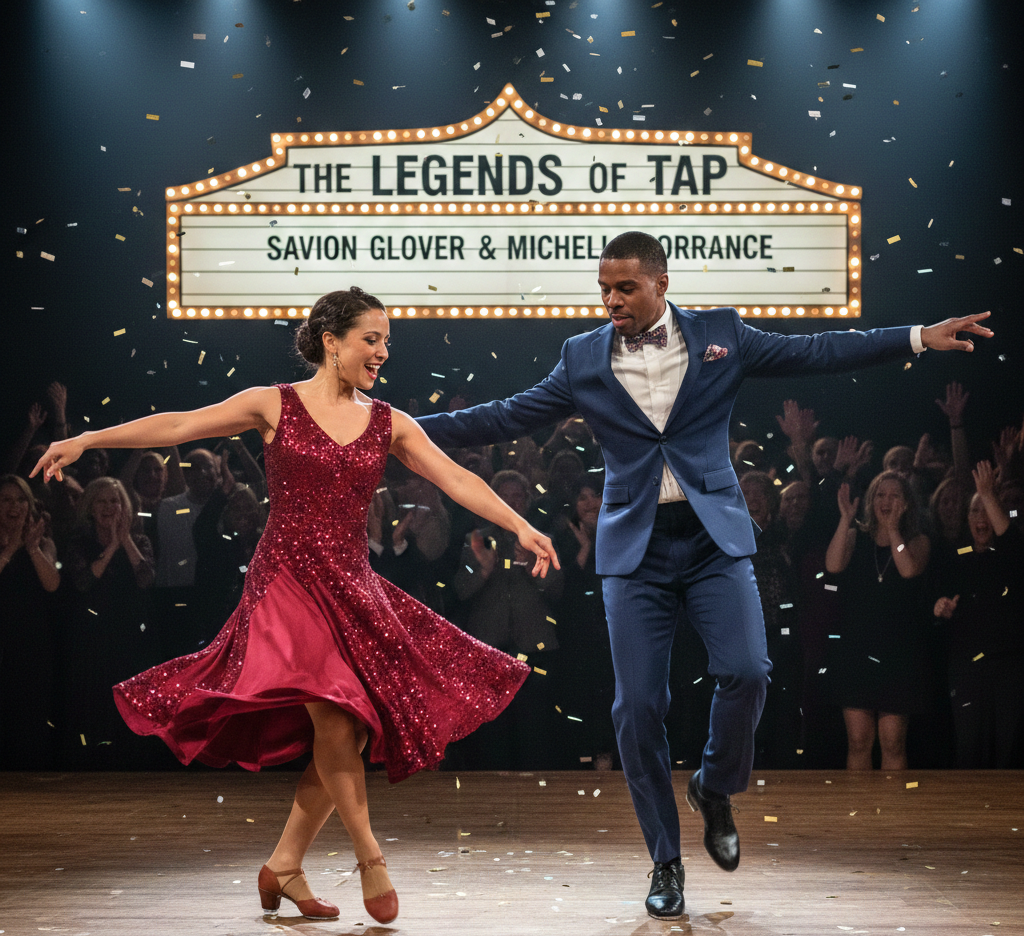
Fred Astaire: Hollywood’s Golden Tap Icon
If elegance had a rhythm, it would sound like Fred Astaire.
Astaire brought tap into cinematic sophistication. His style was smooth, seamless, and stylish. Paired often with Ginger Rogers, he created iconic dance numbers that still inspire performers today.
What Made Fred Astaire One of the Most Famous Tap Dancers
- Combined ballroom and tap in innovative choreography
- Insisted on full-body camera shots to showcase real dance skill
- Starred in films like Top Hat
Astaire’s dedication to perfection set a new standard. He practiced endlessly, proving that talent blooms brightest when watered with discipline.
Gene Kelly: Athleticism Meets Art
Where Astaire was silk, Gene Kelly was steel.
Kelly infused tap with athletic energy, blending ballet and modern dance into his routines. His performance in Singin’ in the Rain remains one of cinema’s most unforgettable dance scenes.
Why Gene Kelly Belongs Among Famous Tap Dancers
- Brought masculinity and strength to tap
- Used innovative camera angles and choreography
- Expanded tap beyond stage tradition
Kelly proved that tap dancing could be powerful, passionate, and physically dynamic.
Gregory Hines: The Modern Master of Rhythm
Gregory Hines revived tap dancing in the late 20th century.
At a time when tap was fading from mainstream popularity, Hines reignited interest through stage, film, and television. His performance in Tap introduced new audiences to the art.
Gregory Hines and the Evolution of Famous Tap Dancers
- Blended improvisation with traditional technique
- Mentored young dancers
- Advocated for tap’s recognition as serious art
Hines wasn’t just performing; he was preserving.
Savion Glover: The Revolutionary Force
Savion Glover changed the sound of tap.
Known for his intense, percussive style called “hitting,” Glover brought hip-hop rhythm and urban influence into traditional tap. His Broadway show Bring in ‘da Noise, Bring in ‘da Funk was groundbreaking.
Why Savion Glover Is Among the Most Influential Famous Tap Dancers
- Emphasized musicality over flash
- Choreographed for Broadway and major productions
- Introduced tap to new generations
Glover’s feet speak fluently in rhythm.
Ann Miller: Speed and Sparkle
Ann Miller dazzled audiences with rapid-fire footwork.
Appearing in MGM musicals, her quick tapping became her trademark. She proved that female performers could command tap stages with strength and sparkle.
Among famous tap dancers, Miller stands out for precision and power.
Eleanor Powell: The Queen of Tap
Eleanor Powell was one of MGM’s top dancers.
Her technical mastery and energetic routines earned her the title “Queen of Tap.” She even performed alongside Fred Astaire in Broadway Melody of 1940.
Powell’s style combined athletic jumps with flawless timing.
Sammy Davis Jr.: Triple Threat Tap Legend
Sammy Davis Jr. was not only a singer and actor but also an extraordinary tap dancer.
As a member of the Rat Pack alongside Frank Sinatra and Dean Martin, Davis showcased his tap talent in films and live performances.
He combined charisma, speed, and personality — essential traits among famous tap dancers.
Women Who Shaped Famous Tap Dancers History
Tap dance history is rich with powerful women:
- Jeni Le Gon
- Cholly Atkins (also a choreographer)
- Brenda Bufalino
These performers preserved technique, trained new artists, and expanded tap’s vocabulary.
Famous Tap Dancers on Broadway
Broadway kept tap alive when Hollywood shifted trends.
Productions like:
- 42nd Street
- Shuffle Along
showcased ensemble tap routines that thrilled audiences nightly.
Broadway remains a beacon for famous tap dancers seeking theatrical excellence.
The Cultural Impact of Famous Tap Dancers
Famous tap dancers have:
- Broken racial barriers
- Elevated dance in cinema
- Influenced hip-hop and street styles
- Preserved African-American rhythmic traditions
Tap dancing is resilience with rhythm. It carries stories of struggle, triumph, and transformation.
Modern Generation of Famous Tap Dancers
Today’s performers continue the legacy:
- Chloe Arnold
- Michelle Dorrance
- Jason Samuels Smith
They blend tradition with innovation, ensuring tap remains relevant in contemporary culture.
The Technique Behind Famous Tap Dancers
Tap dancing requires:
- Precise timing
- Musical understanding
- Balance and coordination
- Stamina and strength
Shoes are fitted with metal taps on heel and toe, turning the body into a living drum.
Improvisation is central. Many famous tap dancers treat tap like jazz — spontaneous, expressive, alive.
Why Famous Tap Dancers Still Matter Today
In a digital age of filters and fast edits, tap dancing remains raw and real. Every sound is earned. Every rhythm is created live. Famous tap dancers remind us that art does not need enhancement — only dedication.
Their legacy lives in dance studios, theater stages, and viral social clips where young performers keep the beat alive.
Conclusion: The Eternal Echo of Famous Tap Dancers
From Bill Robinson to Savion Glover, from golden Hollywood to modern Broadway, famous tap dancers have shaped more than entertainment — they have shaped cultural history.
They danced through discrimination.
They tapped through turbulence.
They rhythmically resisted silence.
Their footsteps echo across generations — click, clack, crescendo.
Tap dancing is not fading. It is forging forward.
And as long as there is rhythm in the human heart, there will always be famous tap dancers turning sound into story, and movement into magic.
READ MORE: TECHBIZZ.CO.UK
